

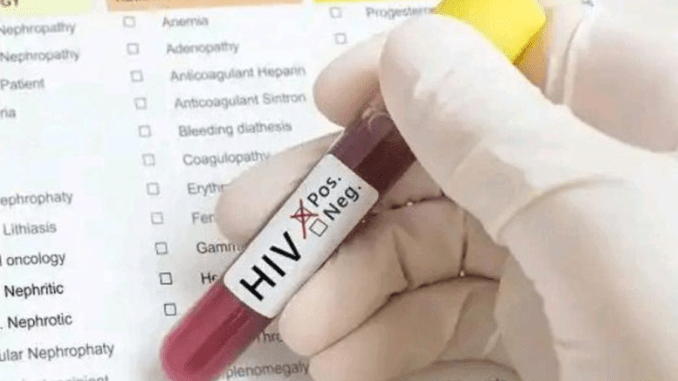
HIV (Human Immunodeficiency Virus) infects the body by attaching itself to specific immune cells, inserting its genetic material, and forcing those cells to produce more copies of the virus. Over time, this weakens the immune system and, if untreated, can lead to AIDS.
However, scientists have long observed that a very small number of people seem unusually resistant to HIV infection, even after repeated exposure.
It is important to clarify from the outset that no one is completely immune to HIV in everyday circumstances, but research has identified biological factors that can make infection far less likely in rare cases. Below are four scientifically recognised explanations for why some individuals show strong resistance to HIV.
1. High Levels of Protective Cytokines
Cytokines are proteins that help regulate the immune system by controlling how immune cells communicate and respond to threats. Studies have shown that some people who resist HIV infection naturally produce higher levels of certain cytokines.
These cytokines can reduce the ability of HIV, particularly the R5 strain, to enter immune cells and replicate. By limiting viral entry and slowing replication, the immune system is given a better chance to control the virus before it establishes infection.
2. Exceptionally Strong Immune Responses
Some individuals possess immune systems that are unusually effective at recognising and destroying viruses. In these cases, immune cells respond quickly and aggressively to HIV exposure, eliminating infected cells before the virus can spread.
Researchers sometimes refer to such people as HIV-exposed seronegative individuals. While they have been exposed to the virus, their immune response prevents infection from taking hold.
3. Genetic Mutation (CCR5-Δ32)
One of the most well-documented explanations for HIV resistance is a genetic mutation known as CCR5-delta 32. HIV commonly uses the CCR5 receptor on immune cells as a doorway to enter the body.
People who inherit two copies of the CCR5-Δ32 mutation lack functional CCR5 receptors, making it extremely difficult for HIV to infect their cells. This mutation is very rare globally and is found mainly in a small percentage of people of European descent. It does not make someone invincible, but it offers strong protection against certain strains of HIV.
4. High Levels of Cytotoxic T-Lymphocytes
Cytotoxic T-lymphocytes (CTLs) are immune cells that identify and destroy virus-infected cells. Some people naturally have higher numbers or more active CTLs, which can suppress HIV before it becomes established.
These cells are particularly important in people who are repeatedly exposed to HIV, as they help limit viral spread at very early stages.
Final Reminder
While these factors exist, they apply to a very small number of people and should never be relied upon as protection. The most effective way to prevent HIV remains safe sexual practices, regular testing, proper medical care, and the use of prevention tools such as condoms, PrEP, and treatment that suppresses viral load.
Prevention is always better than treatment, and awareness saves lives.
𝙍𝙚𝙖𝙙 𝙩𝙝𝙚 𝙇𝙖𝙩𝙚𝙨𝙩 𝙎𝙥𝙤𝙧𝙩 𝙏𝙧𝙚𝙣𝙙𝙨 𝙖𝙣𝙙 𝙂𝙚𝙩 𝙁𝙧𝙚𝙨𝙝 𝙪𝙥𝙙𝙖𝙩𝙚𝙨 𝙖𝙨 𝙩𝙝𝙚𝙮 𝙙𝙧𝙤𝙥 𝙫𝙞𝙖 [𝙏𝙬𝙞𝙩𝙩𝙚𝙧] 𝙓 𝙖𝙣𝙙 𝙁𝙖𝙘𝙚𝙗𝙤𝙤𝙠 Now.

Join Our WhatsApp Channel
To join: Simply click on the link below and turn on notifications to receive the latest scholarship, job, and opportunity updates instantly.
Join WhatsApp Channel