

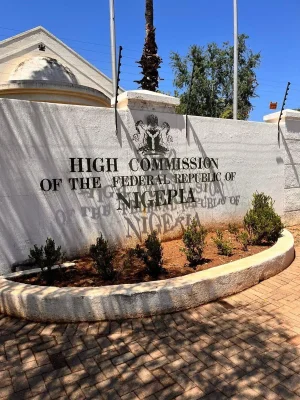
The City of Tshwane Municipality in South Africa has disconnected electricity to the High Commission of the Federal Republic of Nigeria due to unpaid utility bills. The action, announced on social media by a city official, has sparked significant public reaction. The disconnection highlights a breach in standard diplomatic protocols for debt resolution and raises immediate operational concerns for the diplomatic mission.
Key Points:
The power cut directly impacts the daily functioning of a major diplomatic mission, potentially affecting consular services and security systems.
It publicly escalates a typically discreet administrative matter, creating reputational implications for both the local municipality and the Nigerian mission.
The action bypasses established diplomatic channels for dispute resolution, setting a contentious precedent for interstate relations.
It triggers broader public debate about municipal enforcement, diplomatic privileges, and fiscal responsibility on an international stage.
The timing and public nature of the announcement turn a billing issue into a subject of immediate national and international scrutiny.
The situation now requires formal diplomatic engagement to resolve the debt and restore services, while managing the public fallout.
Sources: Social media announcement from a City of Tshwane official and related public commentary.
#TshwaneYaTima: We’ve disconnected electricity at the High Commission of the Federal Republic of Nigeria. They owe the city for utility services. pic.twitter.com/irsnZxnIZB
— Dr Nasiphi Moya (@nasiphim) February 2, 2026