

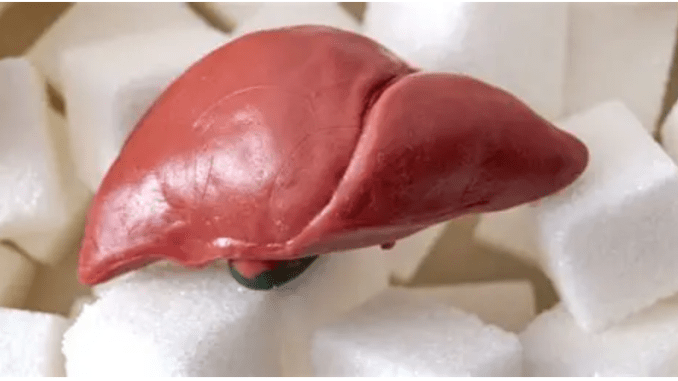
Your liver is one of the hardest-working organs in your body. It filters out toxins, processes nutrients, and stores energy. However, if you regularly consume a lot of sugar, your liver can become overwhelmed and start converting excess sugar into fat, leading to serious health consequences.
1. Inflammation
If you eat too much sugar, especially added sugars in drinks, desserts, and ultra-processed foods, your body converts the excess sugar into fat.
The fat can accumulate in the liver, triggering inflammation and oxidative stress (an imbalance between antioxidants and free radicals).
The liver’s immune cells respond to the excess fat by releasing inflammatory molecules, which can damage liver tissue and make it harder for the liver to function normally. Over time, this ongoing, low-grade inflammation contributes to insulin resistance, where your body’s cells stop responding effectively to insulin.1
2. Insulin Resistance
When insulin resistance develops, the pancreas produces even more insulin to maintain stable blood sugar levels. This excess insulin tells the liver to store more fat, creating a cycle of inflammation, increased fat storage, and worsening insulin resistance.
Left unchecked, this cycle increases the risk of metabolic syndrome, type 2 diabetes, cardiovascular disease, and metabolic dysfunction-associated steatotic liver disease (MASLD). The liver becomes both a victim and a driver of dysfunction.2
3. Liver Disease
When your liver has too much sugar to handle, it starts converting excess sugar into fatty acids that can build up in your liver cells. Over time, this can lead to a condition called metabolic dysfunction-associated liver disease, which affects an estimated 25% of the world’s population.3
Unlike fat that’s stored under your skin, this internal fat is stored around vital organs and directly interferes with liver function. The collected fat can also promote inflammation and damage to your liver cells.
Your body responds to oxidative stress, exacerbating the issue. When unaddressed, MASLD can progress to metabolic dysfunction-associated steatohepatitis (MASH), where scar tissue forms and liver function declines.
2. Can The Liver Heal From Too Much Sugar?
Your liver can heal from too much sugar. When you consume less sugar, the liver stops converting excess fructose (“fruit sugar”) into fat and can begin breaking down existing fat stores for energy instead.
4. Combining a low-sugar, high-fiber diet with regular physical activity, hydration, and weight management helps restore insulin sensitivity, improve blood sugar management, and reduce inflammation.
Even starting with a few simple lifestyle changes, such as cutting out soda or opting for whole fruits instead of desserts, can make a measurable difference. In most cases, early-stage MASLD caused by sugar can be reversed, allowing your liver to regenerate and regain its normal function.
Dietitian-Approved Tips to Help Protect Your Liver
Here are some everyday things you can do to protect your liver:
5. Reduce your intake of added sugars: Aim for less than 25 grams (6 teaspoons) of added sugar per day for women and 36 grams (9 teaspoons) for men.
6. Centers for Disease Control and Prevention. Get the facts: Added sugars.
Check labels for hidden sugars ending in “-ose” or listed as syrups, particularly high fructose corn syrup.
Ditch sugary drinks: Replace soda, sweet teas, and fruit juices with water, sparkling water, or unsweetened herbal tea to ease the liver’s workload.
Choose whole fruits over fruit juice: Whole fruits contain fiber, which is typically removed from juice. Fiber slows down the digestion and absorption of sugar and helps prevent dramatic spikes (and falls) in your blood sugar.
Eat more fiber overall: Beans, lentils, oats, vegetables, and whole grains support healthy digestion and blood sugar balance.
Add healthy fats: Swap out saturated and trans fats from foods like donuts, flaky pastries, whole milk, coconut oil, and processed meats (such as bacon and sausage) for healthy fats from foods like nuts, seeds, avocados, and olive oil. Doing so can help reduce inflammation, improve insulin sensitivity, and support liver function.
Move your body regularly: Physical activity helps your body utilize stored sugar and fat, preventing the liver from becoming overloaded. Choose activities you enjoy and mix it up, which could be a combination of things like running, walking, playing tennis, and lifting weights.
Limit alcohol and ultra-processed foods: Alcohol and ultra-processed foods, especially fried and convenience foods that combine refined sugar and unhealthy fats, are detrimental to your health.
7. Eat plenty of antioxidants: Antioxidants are natural compounds that help your body fight off oxidative stress and inflammation. Find them in colorful foods like berries, citrus fruit, leafy greens, and cruciferous vegetables.
If this list feels overwhelming, start with one or two things that sound manageable and add to them as you feel more comfortable. Small changes add up over time and can have lasting benefits.