
Friendlies in Jeopardy: Iran Crisis Threatens Super Eagles’ March International Tournament

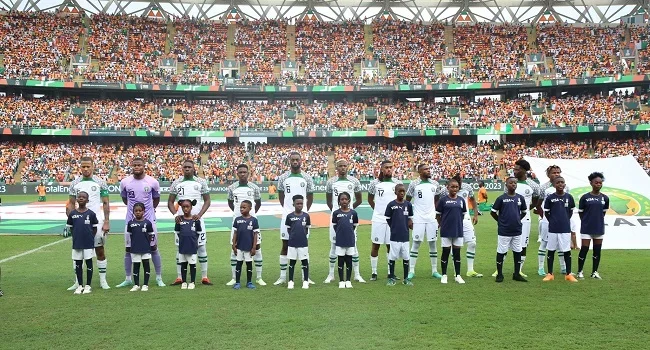
The Super Eagles’ scheduled participation in a four-nation tournament during the March FIFA international window faces potential disruption due to escalating geopolitical tensions involving Iran. Nigeria is set to open the competition on March 27 against Iran at the Amman International Stadium, a rematch of their 2014 World Cup encounter, with Jordan facing Costa Rica the same day.
However, recent US-Israeli coordinated strikes on multiple Iranian locations, including Tehran, and reports of nearly 150 fatalities from a missile strike on a girls’ school in Minab have thrown regional stability into question.
While Iran remains eligible to compete under FIFA statutes, armed conflict introduces logistical challenges including airspace closures, travel restrictions, security advisories, and diplomatic tensions. European clubs may resist releasing players for fixtures in a volatile region, and insurance costs could escalate. Organizers may face late replacements or tournament cancellation if Iran cannot travel. The March window also overlaps with Intercontinental World Cup playoffs, adding administrative complexity as the NFF awaits FIFA’s verdict on their complaint against DR Congo.
Key Points:
The geopolitical crisis threatens Nigeria’s preparation plans for the 2027 AFCON campaign.
Iran’s potential withdrawal would reduce the tournament’s competitive value and disrupt tactical evaluation.
European clubs’ reluctance to release players could weaken the Super Eagles squad.
The proximity of Jordan to the conflict zone raises legitimate security and insurance concerns.
The NFF’s unresolved FIFA complaint adds another layer of uncertainty to Nigeria’s international calendar.
While the Super Eagles’ March fixtures remain officially intact, the escalating Iran crisis casts a long shadow over the tournament, leaving Nigeria’s preparation plans hanging in the balance amid regional instability.
Sources: Soccernet