

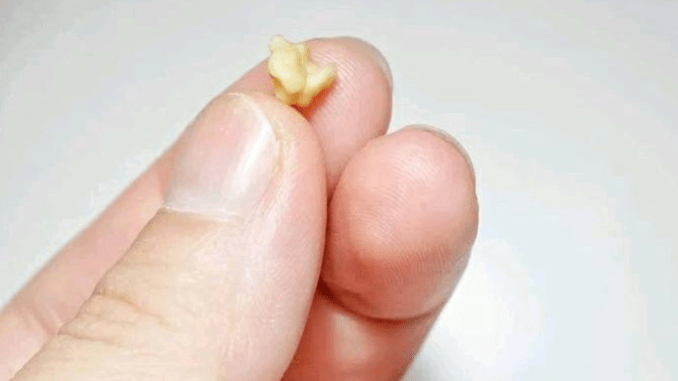
If you sometimes cough and notice small, whitish or yellowish stone-like pieces coming out of your mouth, you are most likely dealing with tonsil stones, also known as tonsilloliths.
What Are Tonsil Stones?
Tonsil stones are small, hardened deposits that form in the crypts (tiny holes) of the tonsils. They are made up of food particles, dead cells, mucus, and bacteria that get trapped in these pockets. Over time, this material hardens and forms stones.
They may be:
White or yellow
Soft or hard
Small like grains of rice or larger like pebbles
Sometimes odorless, but often foul-smelling
Why Do Tonsil Stones Form?
Tonsil stones form due to:
Poor oral hygiene
Repeated throat or tonsil infections
Large or deeply folded tonsils
Post-nasal drip
Bacteria buildup in the mouth
The tonsils play a role in the immune system by trapping germs, but this same function makes them prone to collecting debris.
Can Tonsil Stones Cause Problems?
Yes. Although usually not dangerous, tonsil stones can cause discomfort and oral health issues, especially when they grow large.
Possible problems include:
Throat irritation
Pain or discomfort when swallowing
A feeling that something is stuck in the throat
Chronic bad breath (halitosis)
Ear pain (due to shared nerve pathways)
Persistent coughing
In rare cases, large stones may partially block the throat, making swallowing uncomfortable.
Symptoms of Tonsil Stones
According to medical sources such as Healthline, symptoms may include:
Bad breath
Sore throat
Difficulty swallowing
Earache
Chronic cough
Enlarged tonsils
White or yellow debris visible on the tonsils
Some people have tonsil stones without any symptoms and may not notice them unless they cough one out.
Are Tonsil Stones Contagious?
No. Tonsil stones are not contagious. They do not spread from person to person.
They form from biofilm, which is a collection of naturally occurring bacteria and fungi already present in the mouth. When this biofilm sticks to moist surfaces like the tonsils and dries out, it can harden into stones. Dental plaque is another common example of biofilm.
Are Tonsil Stones Dangerous?
Tonsil stones are not poisonous and usually not harmful, but they can:
Contribute to tooth decay
Worsen gum disease
Cause persistent bad breath that brushing alone cannot fix
If tonsil stones are frequent, painful, or large, medical or dental treatment may be needed.
How Are Tonsil Stones Managed?
Treatment options include:
Good oral hygiene (brushing, flossing, tongue cleaning)
Gargling with salt water or mouthwash
Drinking plenty of water
Professional removal by a healthcare provider
In severe or recurring cases, tonsillectomy may be considered
If you cough out small stone-like objects from your mouth, it is most likely due to tonsil stones. They are common, not contagious, and usually harmless—but they can cause discomfort and bad breath if left untreated.
𝙍𝙚𝙖𝙙 𝙩𝙝𝙚 𝙇𝙖𝙩𝙚𝙨𝙩 𝙎𝙥𝙤𝙧𝙩 𝙏𝙧𝙚𝙣𝙙𝙨 𝙖𝙣𝙙 𝙂𝙚𝙩 𝙁𝙧𝙚𝙨𝙝 𝙪𝙥𝙙𝙖𝙩𝙚𝙨 𝙖𝙨 𝙩𝙝𝙚𝙮 𝙙𝙧𝙤𝙥 𝙫𝙞𝙖 [𝙏𝙬𝙞𝙩𝙩𝙚𝙧] 𝙓 𝙖𝙣𝙙 𝙁𝙖𝙘𝙚𝙗𝙤𝙤𝙠 Now.

Join Our WhatsApp Channel
To join: Simply click on the link below and turn on notifications to receive the latest scholarship, job, and opportunity updates instantly.
Join WhatsApp Channel