

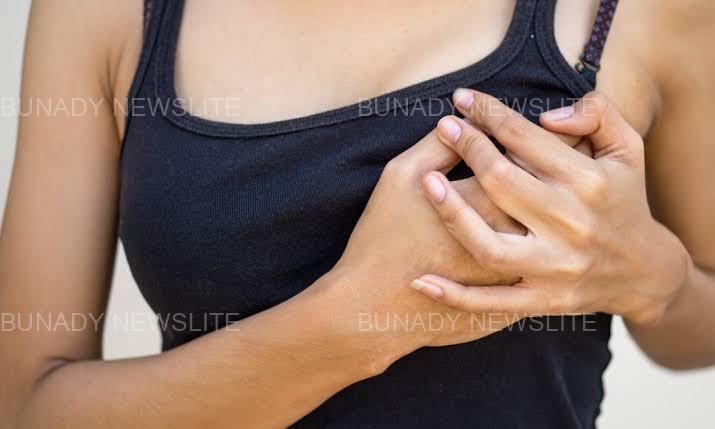
Breast pain or tenderness during menstruation, commonly known as mastalgia, is a frequent symptom for many women. This discomfort is primarily linked to hormonal fluctuations that occur throughout the menstrual cycle.
Leading up to menstruation, the body experiences a rise in estrogen and progesterone levels. Estrogen stimulates the growth of milk ducts in the breasts, while progesterone causes the milk glands to swell in preparation for a potential pregnancy.
This combination of ductal and glandular changes can lead to increased sensitivity and tenderness in the breast tissue.
In addition to hormonal changes, water retention during the premenstrual phase can also contribute to breast swelling, which exacerbates the pain. The condition can also be affected by factors such as genetics, lifestyle, and stress levels.
Some women might also experience more intense pain if they are prone to fibrocystic breast changes, where the breast tissue becomes lumpy or dense.
This breast pain is typically temporary and usually subsides after menstruation begins or during the later phases of the cycle. However, persistent or severe pain should be evaluated by a healthcare provider to rule out other underlying conditions.
𝙍𝙚𝙖𝙙 𝙩𝙝𝙚 𝙇𝙖𝙩𝙚𝙨𝙩 𝙎𝙥𝙤𝙧𝙩 𝙏𝙧𝙚𝙣𝙙𝙨 𝙖𝙣𝙙 𝙂𝙚𝙩 𝙁𝙧𝙚𝙨𝙝 𝙪𝙥𝙙𝙖𝙩𝙚𝙨 𝙖𝙨 𝙩𝙝𝙚𝙮 𝙙𝙧𝙤𝙥 𝙫𝙞𝙖 [𝙏𝙬𝙞𝙩𝙩𝙚𝙧] 𝙓 𝙖𝙣𝙙 𝙁𝙖𝙘𝙚𝙗𝙤𝙤𝙠 Now.

Join Our WhatsApp Channel
To join: Simply click on the link below and turn on notifications to receive the latest scholarship, job, and opportunity updates instantly.
Join WhatsApp Channel