

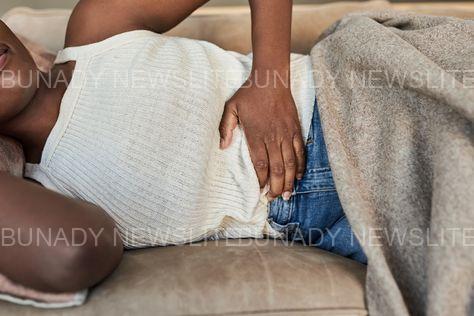
Menstrual cramps, also known as dysmenorrhoea, are a common discomfort that many women experience during their periods. These cramps, which typically occur in the lower abdomen, can range from mild to severe and may be accompanied by other symptoms such as back pain, nausea, and headaches. While menstrual pain is a natural part of the menstrual cycle, there are several effective ways to manage and reduce discomfort.
Apply heat
Using a heating pad or hot water bottle on the lower abdomen can help relax the muscles of the uterus, easing pain. Warm baths can also provide relief by improving blood circulation and reducing muscle tension.
Stay active
While it might be tempting to rest during painful periods, light exercise can help alleviate cramps. Activities such as walking, stretching, yoga, and low-impact aerobics can release endorphins, the body’s natural pain relievers, helping to reduce discomfort.
Maintain a healthy diet
Certain foods can help ease period pain, while others may worsen it. Eating a balanced diet rich in fruits, vegetables, whole grains, and lean proteins can help. Foods high in magnesium, such as bananas, spinach, and almonds, may aid in muscle relaxation. Reducing caffeine, alcohol, salty foods, and processed sugars can also prevent bloating and inflammation.
Stay hydrated
Drinking plenty of water helps prevent bloating and reduces the severity of cramps. Herbal teas, such as chamomile and ginger tea, have anti-inflammatory properties that can soothe menstrual pain.
Consider over-the-counter pain relief
Nonsteroidal anti-inflammatory drugs (NSAIDs) such as ibuprofen and naproxen can effectively reduce pain and inflammation. However, these should be taken as directed and only when necessary. If pain persists or worsens, seeking medical advice is advisable.
Try relaxation techniques
Stress can exacerbate menstrual cramps, so practising relaxation techniques such as deep breathing, meditation, or massage can help. A gentle abdominal massage using essential oils like lavender or clary sage may also provide relief.
Get enough rest
Quality sleep is essential for overall well-being, including managing period pain. Establishing a regular sleep routine and ensuring proper rest during menstruation can help the body cope with discomfort more effectively.
Speak to a doctor if necessary
If menstrual cramps become unusually severe, interfere with daily activities, or are accompanied by other concerning symptoms such as heavy bleeding or irregular periods, it is best to consult a doctor. In some cases, underlying conditions such as endometriosis or fibroids may be responsible for severe period pain.
If symptoms persist, seeking medical advice is always a good step towards better menstrual health.
𝙍𝙚𝙖𝙙 𝙩𝙝𝙚 𝙇𝙖𝙩𝙚𝙨𝙩 𝙎𝙥𝙤𝙧𝙩 𝙏𝙧𝙚𝙣𝙙𝙨 𝙖𝙣𝙙 𝙂𝙚𝙩 𝙁𝙧𝙚𝙨𝙝 𝙪𝙥𝙙𝙖𝙩𝙚𝙨 𝙖𝙨 𝙩𝙝𝙚𝙮 𝙙𝙧𝙤𝙥 𝙫𝙞𝙖 [𝙏𝙬𝙞𝙩𝙩𝙚𝙧] 𝙓 𝙖𝙣𝙙 𝙁𝙖𝙘𝙚𝙗𝙤𝙤𝙠 Now.

Join Our WhatsApp Channel
To join: Simply click on the link below and turn on notifications to receive the latest scholarship, job, and opportunity updates instantly.
Join WhatsApp Channel