

Israeli sources have confirmed that Iran’s Supreme Leader Ayatollah Ali Khamenei was killed in Saturday’s massive US-Israel joint military strikes on Tehran, according to two Israeli officials familiar with the matter. One source stated Israel has obtained a photo of Khamenei’s body, with an official announcement being prepared.
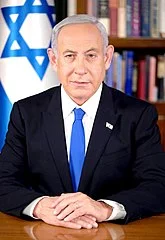
Prime Minister Benjamin Netanyahu said there are “growing signs” the Iranian leader is “no longer with us,” though Iranian officials maintain he is “safe and sound.” The strikes, part of “Operation Epic Fury” aimed at regime change, have killed over 200 people across Iran, including at least 85 in a strike on a girls’ school in Minab. Iran has launched unprecedented retaliatory strikes targeting US bases in Bahrain, Kuwait, and Qatar, and Israel itself. Gulf nations have shifted to remote learning, and global air travel remains disrupted.
Key Points
Khamenei’s reported death represents a seismic shock to Iran’s political and religious establishment with unpredictable succession implications.
The strikes have caused devastating civilian casualties, with a girls’ school among the targets, drawing international condemnation.
Iran’s multi-front retaliation expands the conflict’s geographic scope, directly threatening Gulf states hosting US forces.
President Trump’s explicit call for Iranians to “take over your government” signals a declared regime-change objective.
The unprecedented scale of attacks and responses has plunged the region into its most dangerous crisis in decades.
The reported assassination of Iran’s supreme leader marks a dramatic escalation, potentially reshaping the Middle East’s geopolitical landscape while unleashing unpredictable consequences across the region and beyond.
Sources: Israeli Officials, CNN, BBC, Reuters, State Media Reports
𝙍𝙚𝙖𝙙 𝙩𝙝𝙚 𝙇𝙖𝙩𝙚𝙨𝙩 𝙎𝙥𝙤𝙧𝙩 𝙏𝙧𝙚𝙣𝙙𝙨 𝙖𝙣𝙙 𝙂𝙚𝙩 𝙁𝙧𝙚𝙨𝙝 𝙪𝙥𝙙𝙖𝙩𝙚𝙨 𝙖𝙨 𝙩𝙝𝙚𝙮 𝙙𝙧𝙤𝙥 𝙫𝙞𝙖 [𝙏𝙬𝙞𝙩𝙩𝙚𝙧] 𝙓 𝙖𝙣𝙙 𝙁𝙖𝙘𝙚𝙗𝙤𝙤𝙠 Now.

Join Our WhatsApp Channel
To join: Simply click on the link below and turn on notifications to receive the latest scholarship, job, and opportunity updates instantly.
Join WhatsApp Channel