
PDP, CSOs Tear Into Tinubu Over Electoral Act Assent: ‘They’ve Legalised Election Manipulation’

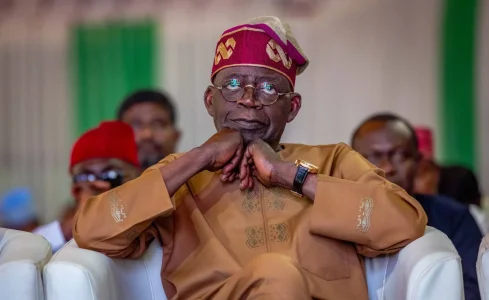
President Bola Tinubu has signed the Electoral Act 2026 into law, sparking fierce condemnation from opposition parties and civil society organisations who describe it as a “dark day for democracy” and “legalisation of rigging.” The Peoples Democratic Party (PDP) alleged the ruling APC’s “fear of inevitable defeat” drove the rushed approval. Yiaga Africa Executive Director Samson Itodo called the Act “a step backward… a reform in name, regression in substance.”
At the signing ceremony, Tinubu questioned Nigeria’s broadband capacity for real-time transmission, arguing credibility depends on human oversight. The Act mandates electronic transmission but allows manual backup (Form EC8A) as the primary source when technology fails. Senate President Godswill Akpabio hailed the law, claiming “every vote will now count” and “results manipulation eliminated.” Speaker Tajudeen Abbas noted the election notice was reduced from 360 to 300 days to avoid Ramadan. FCT Minister Nyesom Wike commended the President’s swift assent.
Key Points:
Opposition parties and CSOs view the manual backup clause as a loophole for manipulation.
Tinubu’s broadband concerns reflect infrastructure realities but fuel transparency fears.
Pro-transparency advocates lose mandatory transmission guarantee, while APC defends practicality.
This signals deep partisan divisions over Nigeria’s electoral framework ahead of 2027.
The timing, with the INEC timetable already released, sets the legal stage for elections.
Tinubu’s assent to the Electoral Act 2026 draws sharp opposition criticism over the manual backup clause, while the government defends practicality and highlights innovations like direct primaries and reduced notice period.
Sources: The Punch, PDP, Yiaga Africa, CUPP, LP Caucus
𝙍𝙚𝙖𝙙 𝙩𝙝𝙚 𝙇𝙖𝙩𝙚𝙨𝙩 𝙎𝙥𝙤𝙧𝙩 𝙏𝙧𝙚𝙣𝙙𝙨 𝙖𝙣𝙙 𝙂𝙚𝙩 𝙁𝙧𝙚𝙨𝙝 𝙪𝙥𝙙𝙖𝙩𝙚𝙨 𝙖𝙨 𝙩𝙝𝙚𝙮 𝙙𝙧𝙤𝙥 𝙫𝙞𝙖 [𝙏𝙬𝙞𝙩𝙩𝙚𝙧] 𝙓 𝙖𝙣𝙙 𝙁𝙖𝙘𝙚𝙗𝙤𝙤𝙠 Now.

Join Our WhatsApp Channel
To join: Simply click on the link below and turn on notifications to receive the latest scholarship, job, and opportunity updates instantly.
Join WhatsApp Channel