

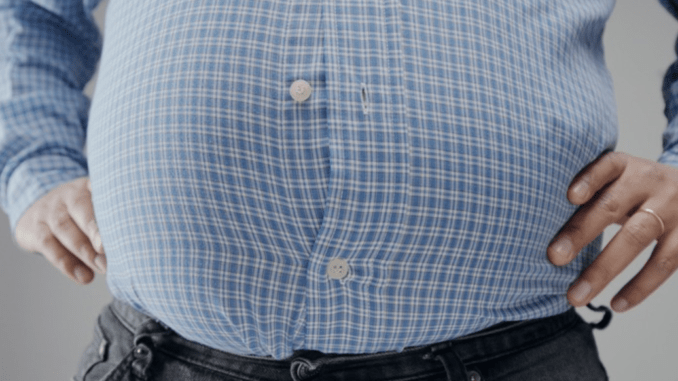
Reducing belly fat is a common health goal, but it requires a balanced approach that combines smart nutrition, physical activity, and patience. There is no instant solution, yet small, consistent lifestyle changes can produce lasting results over time.
One important step is limiting unhealthy fats such as excessive butter and trans fats. These fats are calorie-dense and can contribute to weight gain when consumed in large amounts. Moderation is key, rather than complete elimination.
Instead, focus on choosing healthier fats, particularly monounsaturated and also polyunsaturated fats. These are found in foods like fish, nuts, seeds, avocados, and certain vegetable oils. When consumed in reasonable amounts, these fats support heart health and help you feel satisfied.
Portion control also plays a major role in managing belly fat. Even healthy foods can lead to weight gain if eaten in large quantities. At home, using smaller plates and serving measured portions can make a big difference.
When eating out, consider sharing meals or eating only half and taking the rest home. Restaurant portions are often larger than necessary, and reducing intake in these settings can significantly cut excess calories.
Sugary drinks are another major contributor to belly fat. Soft drinks, sweetened juices, and flavored beverages add calories without providing nutritional value. Replacing them with water or sugar-free drinks helps reduce overall calorie intake.
Staying active is essential for fat loss and overall health. Health experts recommend at least 150 minutes of moderate aerobic activity, such as brisk walking, each week. Alternatively, 75 minutes of vigorous activity like jogging can also be effective.
Strength training should be included at least twice a week. Building muscle helps increase metabolism and supports long-term weight control. Muscle tissue burns more calories than fat, even at rest.
High intensity interval training (HIIT) has also been shown to help reduce belly fat. Combining short bursts of intense exercise with recovery periods can be an efficient way to burn calories and improve fitness.
Ultimately, losing belly fat requires effort, consistency, and patience. Slow and steady weight loss is more sustainable and helps prevent fat from returning. Consulting a healthcare provider can offer guidance and support to help you stay motivated and on track.
𝙍𝙚𝙖𝙙 𝙩𝙝𝙚 𝙇𝙖𝙩𝙚𝙨𝙩 𝙎𝙥𝙤𝙧𝙩 𝙏𝙧𝙚𝙣𝙙𝙨 𝙖𝙣𝙙 𝙂𝙚𝙩 𝙁𝙧𝙚𝙨𝙝 𝙪𝙥𝙙𝙖𝙩𝙚𝙨 𝙖𝙨 𝙩𝙝𝙚𝙮 𝙙𝙧𝙤𝙥 𝙫𝙞𝙖 [𝙏𝙬𝙞𝙩𝙩𝙚𝙧] 𝙓 𝙖𝙣𝙙 𝙁𝙖𝙘𝙚𝙗𝙤𝙤𝙠 Now.

Join Our WhatsApp Channel
To join: Simply click on the link below and turn on notifications to receive the latest scholarship, job, and opportunity updates instantly.
Join WhatsApp Channel