

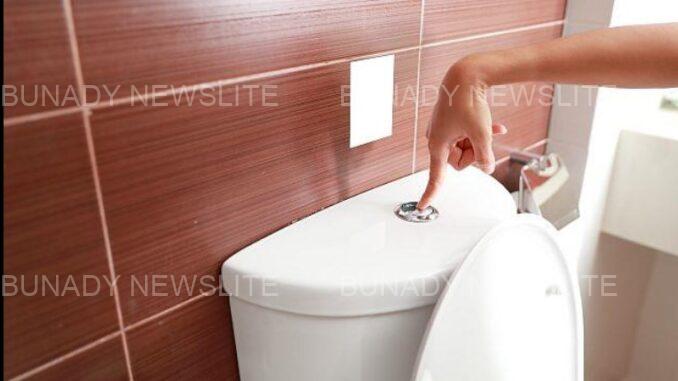
Toilets are designed to handle only specific waste materials, yet many people flush items that don’t belong, often leading to clogs, plumbing repairs, and even environmental harm. According to plumbers, some of the most common culprits are everyday items we mistakenly think are flushable.
ENDTIME IS NEAR INDEED: Watch The 3 Minutes Video Before It Deleted! See How Lady Rides On A Plastic Bottle To Satisfy Herself
In this article, we’ll discuss four things plumbers strongly advise against flushing and why keeping these items out of your toilet can save you money and hassle.
1. Wet Wipes
Wet wipes, including those labeled “flushable,” are one of the most common causes of clogged toilets and sewer systems. Despite their marketing claims, most wet wipes don’t break down as easily as toilet paper. They tend to accumulate in pipes and form blockages, which can lead to expensive repairs and even damage municipal wastewater systems.
Plumbers recommend disposing of wet wipes in the trash instead. If you regularly use wipes, consider switching to biodegradable alternatives specifically designed for septic safety. Keeping wipes out of your toilet not only protects your plumbing but also prevents the creation of massive sewer clogs, often called “fatbergs,” in urban drainage systems.
2. Grease and Cooking Oils
While it may seem harmless to flush liquid grease or cooking oils, these substances solidify as they cool, causing significant problems in your plumbing. Grease clings to the walls of pipes and combines with other debris, eventually creating stubborn clogs that restrict water flow. Over time, these blockages can require costly professional removal.
Instead of flushing grease, let it cool and dispose of it in a sealed container in the trash. Alternatively, some communities offer recycling programs for used cooking oil. By keeping grease out of your toilet, you can avoid major pipe issues and contribute to a healthier sewer system.
ENDTIME IS NEAR INDEED: Watch The 3 Minutes Video Before It Deleted! See How Lady Rides On A Plastic Bottle To Satisfy Herself
3. Dental Floss
Dental floss may seem insignificant, but it poses a surprisingly big problem for plumbing systems. Unlike toilet paper, floss is not biodegradable and can wrap around other debris in pipes, creating tangled clogs. Over time, this can lead to slow drains or complete blockages that require professional intervention.
To prevent issues, always dispose of dental floss in the trash. It’s a small change that can make a big difference for your plumbing and help reduce strain on wastewater treatment facilities. Many plumbers emphasize that even seemingly small items like floss can add up to serious problems over time.
4. Feminine Hygiene Products
Tampons, sanitary pads, and other feminine hygiene products are not designed to break down in water. These items can expand and absorb water, causing immediate blockages in your toilet or deeper within the plumbing system. Even products labeled as “flushable” can create significant problems, as they don’t degrade quickly enough to avoid clogging pipes.
Plumbers recommend using a dedicated trash bin for all feminine hygiene products. Some households keep a discreet wastebasket in the bathroom to make disposal easier. By keeping these products out of the toilet, you’ll help prevent plumbing emergencies and reduce strain on sewage systems.
ENDTIME IS NEAR INDEED: Watch The 3 Minutes Video Before It Deleted! See How Lady Rides On A Plastic Bottle To Satisfy Herself
𝙍𝙚𝙖𝙙 𝙩𝙝𝙚 𝙇𝙖𝙩𝙚𝙨𝙩 𝙎𝙥𝙤𝙧𝙩 𝙏𝙧𝙚𝙣𝙙𝙨 𝙖𝙣𝙙 𝙂𝙚𝙩 𝙁𝙧𝙚𝙨𝙝 𝙪𝙥𝙙𝙖𝙩𝙚𝙨 𝙖𝙨 𝙩𝙝𝙚𝙮 𝙙𝙧𝙤𝙥 𝙫𝙞𝙖 [𝙏𝙬𝙞𝙩𝙩𝙚𝙧] 𝙓 𝙖𝙣𝙙 𝙁𝙖𝙘𝙚𝙗𝙤𝙤𝙠 Now.

Join Our WhatsApp Channel
To join: Simply click on the link below and turn on notifications to receive the latest scholarship, job, and opportunity updates instantly.
Join WhatsApp Channel