

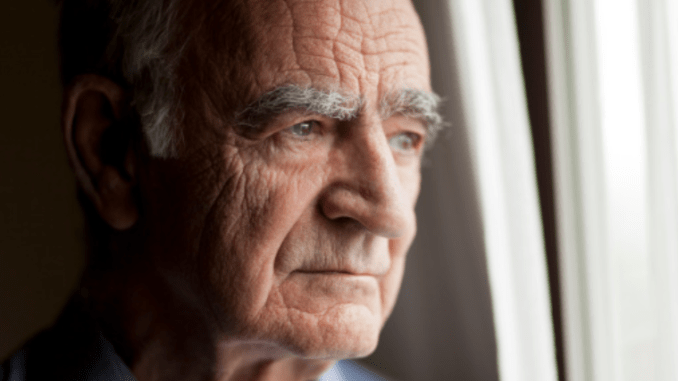
Another major factor is life transitions and social isolation. As men age, they may retire, experience the loss of close friends or a spouse, or face reduced social interaction, which can lead to loneliness. Social connections are essential for emotional health, and the absence of meaningful relationships can significantly increase the risk of depression.
Health challenges also play a critical role. Chronic illnesses, pain, mobility issues, or declining physical health can contribute to feelings of helplessness and frustration. Coupled with the pressure to maintain independence, these challenges may intensify depressive symptoms.
Psychological factors, such as unresolved past traumas, unmet life expectations, or a perceived loss of purpose, can also affect older men. Many men are conditioned to suppress emotional vulnerability, which means they may not seek help or express their feelings openly, allowing depression to go unrecognized and untreated.
Finally, financial pressures or concerns about retirement security can add stress, further impacting mental health. All these factors combined demonstrate that depression in older men is often a result of intertwined biological, emotional, and social influences. Recognizing the signs, encouraging open communication, and seeking professional help are crucial steps in managing and preventing depression as men age.
𝙍𝙚𝙖𝙙 𝙩𝙝𝙚 𝙇𝙖𝙩𝙚𝙨𝙩 𝙎𝙥𝙤𝙧𝙩 𝙏𝙧𝙚𝙣𝙙𝙨 𝙖𝙣𝙙 𝙂𝙚𝙩 𝙁𝙧𝙚𝙨𝙝 𝙪𝙥𝙙𝙖𝙩𝙚𝙨 𝙖𝙨 𝙩𝙝𝙚𝙮 𝙙𝙧𝙤𝙥 𝙫𝙞𝙖 [𝙏𝙬𝙞𝙩𝙩𝙚𝙧] 𝙓 𝙖𝙣𝙙 𝙁𝙖𝙘𝙚𝙗𝙤𝙤𝙠 Now.

Join Our WhatsApp Channel
To join: Simply click on the link below and turn on notifications to receive the latest scholarship, job, and opportunity updates instantly.
Join WhatsApp Channel